The Second Policyholder: Designing Home Assistance Around the Family Caregiver
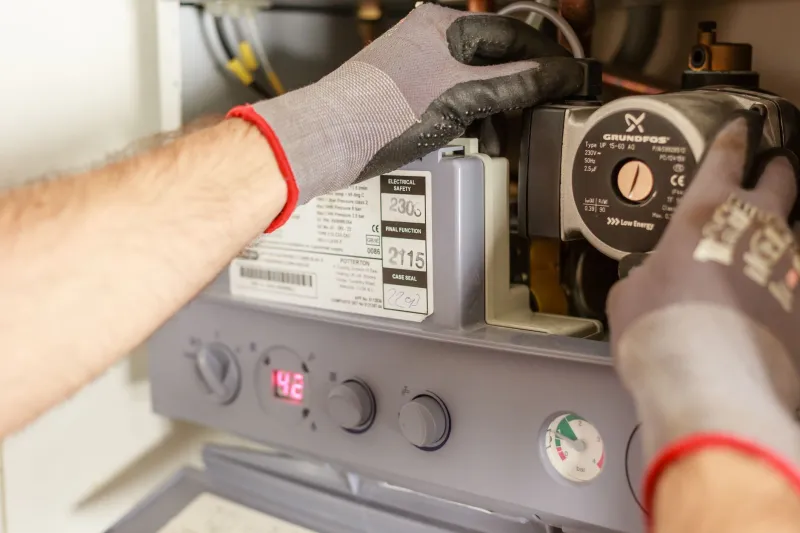
The typical home emergency call is often imagined as a simple exchange between a policyholder and a call handler. A boiler has failed, a pipe has burst, or a lock has jammed. The person on the phone knows the property, knows the policy and can authorise the repair. In a growing number of UK households, however, the caller is not the policyholder at all. They are an adult daughter ringing from another city, a son checking in during a lunch break, or a neighbour acting on behalf of an older resident who does not use a smartphone.
That shift matters for product design. Assistance is not only a repair service; it is a sequence of decisions made under pressure. When the person who lives with the problem is not the person who makes the call, the product must work across two perspectives at once: the policyholder who needs the problem solved and the caregiver who needs to understand what will happen next.
The call that arrives from a different number
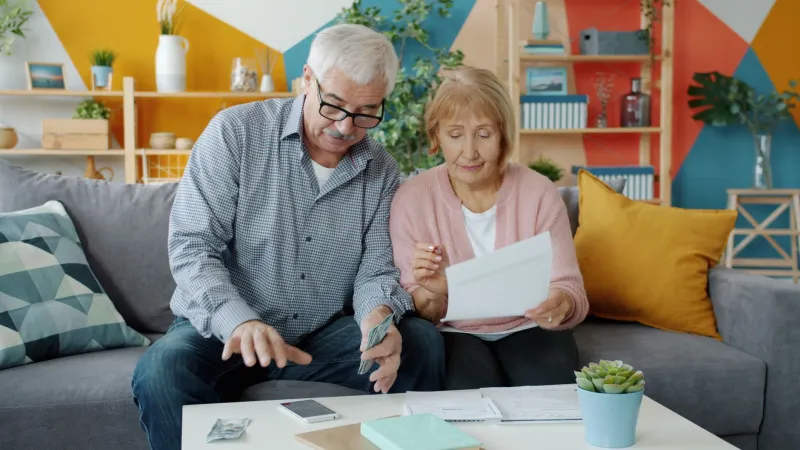
Consider a familiar scenario. An older homeowner discovers water leaking from a bathroom fitting. They telephone their daughter, who then calls the assistance line. The daughter can describe the symptom but may not know the policy number, the excess or whether the homeowner wants a particular contractor. The homeowner may be anxious about letting a stranger into the property and may not fully follow a rapid explanation of the claims process.
A product designed only around the named policyholder will treat this as an exception. A product designed for 2026 should treat it as a normal operating pattern. The starting point is to distinguish four roles that are often collapsed into one: the policyholder, the caller, the person who influences the decision, and the person who pays. These roles may sit with one individual, but increasingly they do not.
Consent as a service step, not a legal footnote
UK data protection rules rightly require a lawful basis for discussing a policyholder’s circumstances with a third party. But consent should not be treated as a barrier thrown up at the first mention of a family member. It can be designed as a service step that is clear, proportionate and respectful.
A practical model is a consent ladder. At the lowest level, a nominated contact can receive logistical updates: the engineer’s arrival window, a delay, or confirmation that a repair is complete. At the next level, the contact can discuss the case and make arrangements on the policyholder’s behalf. At the highest level, formal authority such as a lasting power of attorney may be recorded and verified. The household should be able to move between these levels without repeating the whole story.
This requires call scripts that ask better questions. Rather than beginning with “Are you the policyholder?”, the handler can ask who is calling, who lives at the property and what authority the caller has. Verbal consent can be captured at the point of the call where appropriate, with a short record of what was agreed. For recurring caregivers, a nominated contact field should be easy to update and easy to remove.
Vulnerability data without labels
The FCA’s Consumer Duty has encouraged firms to think harder about vulnerable customers, and home assistance providers are no exception. Age alone is not a vulnerability, and neither is living alone. Vulnerability can be temporary, situational or linked to health, bereavement, financial strain or difficulty communicating.
Data should help the service adapt, not become a label that follows a household around. A caregiver may disclose that the policyholder has hearing loss, memory difficulties or limited mobility. That information should inform how the engineer communicates, how many times the phone is allowed to ring, and whether a follow-up call is needed. It should not become a reason to slow a claim or to route the household into a separate, inferior journey.
The more useful management information is outcome-based. How often do calls involving a third-party caller require a repeat contact? How long does consent capture take? Do caregiver-led cases convert to completed repairs at the same rate as policyholder-led cases? These measures reveal whether the design is working, rather than merely recording that a flag exists.
Handoffs that respect the household
The supplier handoff is where caregiver-led assistance most often breaks down. An engineer may arrive at a property expecting to meet the policyholder, only to find a neighbour with a key or an older resident who was not told the time of the visit. Small failures of communication become large failures of trust.
Providers should brief their supplier networks on the household context that matters: who will be present, who can authorise work, and which communication channel is most reliable. A text message may suit one household; a landline call may suit another. An app-only update is not a universal solution. The engineer’s confirmation of arrival and completion should be capable of being sent to both the policyholder and the nominated caregiver, subject to consent.
A short post-visit summary is also valuable. It can confirm what was repaired, what remains outstanding and what the household should do next. Written in plain English and sent through the channel the household prefers, it reduces the risk of the caregiver having to reconstruct the visit from fragments of conversation.
Metrics that reveal the caregiver experience
Assistance businesses already track first-call resolution, average repair time and complaint volumes. For caregiver-led cases, a few additional measures are worth placing alongside them: consent completion rate, repeat-call rate by caller type, handoff failure rate, and satisfaction scores segmented by whether the caller was the policyholder or a third party.
The aim is not to create a separate dashboard that sits unused. It is to test whether the core journey is genuinely accessible. If caregiver-led calls take materially longer to resolve, or generate more repeat contacts, the design needs attention. If they perform as well as policyholder-led calls, that is a meaningful service outcome in its own right.
Practical design choices for 2026
Five moves can make a measurable difference. First, add a nominated contact journey that is visible to the policyholder and easy to change. Second, design consent capture as a short, respectful conversation rather than a legal disclaimer. Third, give supplier networks a simple household brief that records who will be present and who can authorise work. Fourth, offer at least two update channels and let the household choose. Fifth, publish or review caregiver-specific service metrics so that the experience is managed, not assumed.
Britain’s ageing households will not be served well by assistance products that treat the family caregiver as an administrative inconvenience. The caregiver is often the person who turns a policy into a practical outcome. Designing for that reality is not a departure from good assistance practice. It is a more accurate description of how ordinary households already use it.