Fixing the Default: How Repair-First Assistance Can Become a UK Competitive Advantage
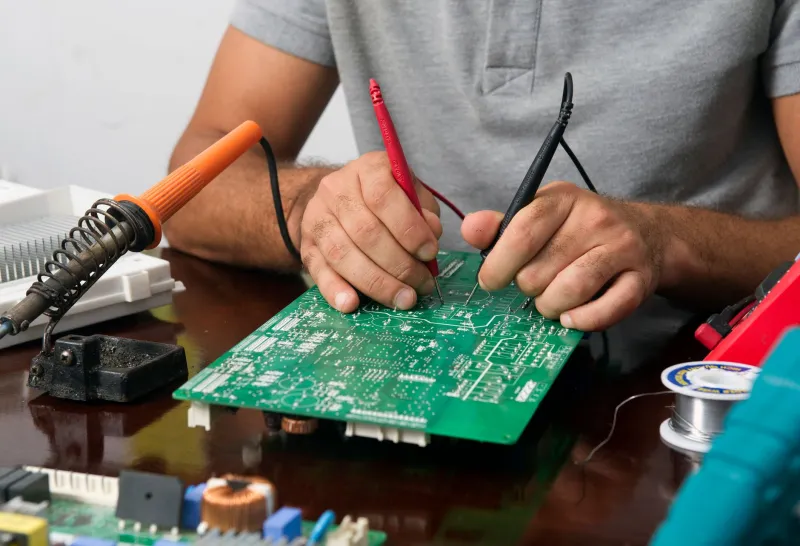
For much of the last two decades, gadget and appliance assistance was built around a simple settlement logic: when a product failed, the customer received a replacement, a cash payment or a voucher. That model was efficient, familiar and easy to administer. In 2026, it is no longer sufficient on its own. Rising replacement costs, growing consumer expectations around repairability and the steady shift in UK policy towards a circular economy are pushing assistance providers to rethink the default. Repair-first is no longer a niche preference. It is becoming a service design question with commercial consequences.
The case is not sentimental. A repair-first model can be more complex to operate than a replacement model, and it is not always cheaper on a single claim. But it can reduce unnecessary waste, extend product life, strengthen customer relationships and position an assistance group on the right side of regulatory and consumer sentiment. For a listed business such as CPP Group plc, the strategic question is not whether repair matters. It is how to build repair capability that is reliable, measurable and fair to customers.
Why the default is shifting
The UK right-to-repair framework, introduced in 2021 for certain electrical and electronic products, required manufacturers to make spare parts available for a defined period. More important than the legal detail is the direction of travel. Consumers are more aware of repairability, more willing to question a replace-first outcome and more likely to share their experience when a repair goes wrong. At the same time, the cost of replacing household technology has risen, making a repair that extends life by two or three years genuinely valuable to many households.
For assistance providers, this creates an opportunity to differentiate. A customer who expects a replacement may accept one. A customer who expects a repair, and receives a well-managed one, is more likely to remember the service. The reverse is also true: a repair promise that collapses because parts are unavailable or a repairer cannot be found does more damage than a replacement-first model ever would. Repair-first must therefore be designed as an operating capability, not marketed as a vague commitment.
Triage before dispatch
The first design decision is diagnostic. Not every failed product should be repaired, and not every repair should be attempted. A robust triage process should assess the product type, age, fault category, likely parts requirement, labour complexity, safety considerations and customer preference before a repairer is dispatched. Remote diagnostics, guided troubleshooting and photo or video evidence can resolve a meaningful share of issues without a visit, while also improving the quality of the repair brief when a visit is needed.
The triage model should be transparent. Customers should understand why a repair is being offered, why a replacement may be more appropriate in some circumstances, and what happens if the repair cannot be completed. Clear decision rules protect both the customer and the provider from inconsistent outcomes. They also make it easier to measure whether the model is working.
Parts are the quiet bottleneck
Repair-first lives or dies on parts availability. A service that promises repair but cannot source a common component within a reasonable time will quickly lose credibility. Assistance providers should therefore treat parts logistics as a core service function rather than a procurement afterthought. That means identifying the components that drive the majority of repairs, agreeing availability with suppliers, holding strategic stock where it makes commercial sense and using approved refurbished parts where quality can be assured.
There is a balance to strike. Holding too much stock ties up capital and risks obsolescence. Holding too little creates delays and repeat contact. The answer lies in dynamic inventory management, informed by claims data and repair outcomes. Providers should also be honest about the limits of the model: if a part is unavailable, the customer should be told quickly and offered a clear fallback.
Skills, standards and the repairer network
A repair-first model depends on people who can actually repair. The UK repairer network is diverse, ranging from manufacturer-authorised workshops to independent specialists and mobile technicians. Assistance providers need a network that is broad enough to serve customers across urban, rural and island communities, but also consistent enough to deliver a reliable standard of work.
That requires more than a list of approved suppliers. It requires training, accreditation, quality monitoring and a clear escalation path when a repair fails. Providers should consider how they assess competence across different product categories, how they handle warranty on repairs and how they protect customer data when devices are handed over for inspection. In a repair-first model, the repairer is not a back-office supplier. They are part of the customer promise.
Turnaround and communication
Replacement is often fast. Repair takes time, and time is where customer trust is won or lost. Providers should set realistic turnaround expectations at the point of claim, keep customers informed at each milestone and offer alternatives when delays occur. Collection and delivery, loan devices and remote support can all reduce the friction of a repair.
Communication should be plain and specific. Customers should know what is happening, what is expected of them and when they will hear next. A repair that takes five days but is well communicated will often be remembered more positively than a replacement that arrives quickly but without explanation. The service design should treat communication as part of the repair, not as an administrative extra.
Measuring the repair-first promise
A repair-first model needs a scorecard. Useful measures include the repair rate, first-time fix rate, average turnaround time, repeat failure rate, customer satisfaction and cost per claim compared with replacement. Providers should also track parts availability, network coverage and the proportion of repairs completed within the promised window. These metrics allow the model to be adjusted without abandoning the principle.
For investors and boards, the commercial case should be made carefully. Repair capability can lower lifetime service costs in some categories, support customer retention and create a differentiated proposition. It can also strengthen readiness for regulatory change and consumer duty expectations. But it requires investment in systems, supplier relationships and network quality. The strategic question is whether that investment builds a durable advantage or simply adds complexity.
A decade of fixing, not just replacing
The coming decade is likely to be defined by a gradual shift in expectations. Households will still replace products, and assistance providers will still need efficient replacement routes. But repair will become a more visible part of the service promise, particularly where it can extend product life and reduce waste. The providers that succeed will be those that treat repair as an operational discipline: triaged carefully, supported by parts, delivered by skilled people and communicated with clarity.
For CPP Group plc and its peers, repair-first is not a departure from assistance. It is an evolution of it. The organisations that build genuine repair capability now will be better placed to meet customer expectations, manage costs and earn the confidence of investors in a market that is increasingly asking not just what a service costs, but what it keeps alive.