Triage Before Treatment: A Pet Assistance Blueprint for UK Households
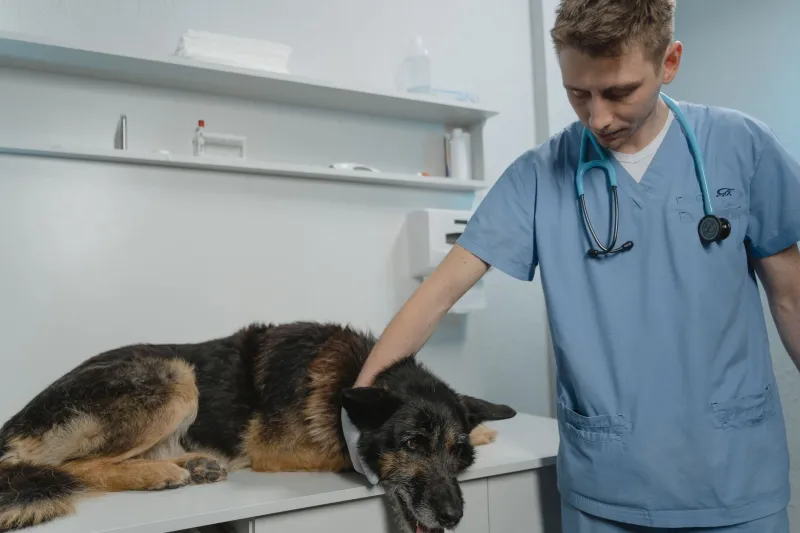
Pet ownership is a mainstream feature of UK household life, and veterinary care has become a meaningful line in many family budgets. When an animal falls ill, is injured or goes missing, the household does not experience a policy document. It experiences a first phone call, a journey to an unfamiliar practice, a kennel that may or may not have space, and a set of decisions taken under pressure. For insurers and assistance groups, the design question is therefore broader than claims handling. It is whether the service can hold together in the first hour, and in the days that follow.
As the sector enters the final weeks of 2026, pet assistance remains an area where customer expectation can run ahead of operational reality. The task is not to promise more. It is to design a credible service, govern the suppliers who deliver it, and describe it accurately at the point of sale.
Start with the first call, not the claim form
The most useful entry point is 24/7 veterinary triage. A household facing a suspected poisoning, a road traffic injury or a sudden collapse needs a calm route to urgency assessment, not a queue and a request for a policy number. Triage should be delivered by appropriately trained staff, typically veterinary nurses working to clear protocols, with escalation to a veterinary surgeon where clinical judgement is required. The service should distinguish between advice, direction to an emergency practice and authorisation of treatment. It should not drift into diagnosis by call centre.
Design questions follow quickly. How is the nearest open practice identified when the usual vet is closed? Who confirms that the practice can accept the animal? How is a cost estimate captured and passed to the claims team? What happens when the household cannot travel? These are operational details, but they determine whether the promise is experienced as assistance or as administration.
Build the supplier network around capability, not logos
A pet assistance network is only as strong as its least prepared supplier. Veterinary practices, emergency hospitals, boarding kennels and catteries, pet transport providers, lost-pet coordinators and bereavement services all bring different capabilities and constraints. Accreditation and professional registration matter, but so do capacity, geography, out-of-hours cover and willingness to share data securely.
A useful discipline is to map the network against the moments that matter rather than against a list of brands. Can a practice accept a direct call from the assistance desk at 2am? Can a kennel accommodate a dog at short notice without valid vaccination records? Can a lost-pet coordinator work with microchip databases, local authorities and rescue organisations without creating confusion for the owner? Contracts should specify service levels, escalation routes, information handling and complaint ownership. Without that discipline, the customer experiences a network failure even when each supplier is performing its own role adequately.
Emergency boarding and the practical gap
Emergency boarding is often the part of pet assistance that households value most and understand least. It may be needed when an owner is admitted to hospital, when housing becomes temporarily unavailable, or when a domestic emergency makes the home unsafe for an animal. The service is not simply a kennel booking. It requires verification of vaccination and microchip details, an assessment of behavioural suitability, arrangements for medication and food, and a clear plan for collection or return.
Providers should also consider the family caregiver. An elderly parent may be willing to take the dog but unable to walk it. A neighbour may offer to help but not to manage a nervous cat. Good design records these practical constraints early and avoids treating the household as a single decision-maker. Where transport is required, it should be arranged as part of the service rather than left as an unstated burden.
Lost-pet coordination as a disciplined service
Lost-pet support can easily become a public relations gesture unless it is properly resourced. A credible service provides a named case coordinator, checks microchip and registration data, liaises with local authorities and rescue networks, and supplies clear templates for posters and online alerts. It should discourage unsafe search behaviour and avoid implying that the assistance group can guarantee recovery.
The emotional temperature of these cases is high. Staff need training in de-escalation, data protection and handover. The service should also set expectations about hours of operation and the limits of coordination. A household that understands what will happen in the first 24 hours is better placed to act sensibly than one that has been told only that help is available.
Bereavement support with operational dignity
Pet bereavement is a genuine assistance need, not an optional extra. The service may involve euthanasia decisions, cremation arrangements, return of ashes or support for children in the household. Suppliers should be selected for sensitivity as well as price, and staff should be trained to avoid rushing a household through a scripted process. Practical information, clear costs and a single point of contact matter more than elaborate language.
The point of sale is part of the service
Overpromising begins long before a claim. Phrases such as unlimited veterinary fees, guaranteed emergency access or immediate boarding can create expectations that no network can reliably meet. Product literature should state eligibility, waiting periods, excesses, pre-authorisation requirements, exclusions and the difference between advice and authorisation. Sales scripts and comparison-site copy should be reviewed with the same rigour as the policy wording.
This is also a conduct issue. Fair value and clear communication are not decorative additions to pet assistance; they are part of the product. A household that discovers a material limitation only at the emergency practice will remember the gap, not the cover.
Measure the moments that matter
Finally, assistance groups should measure the service at the points where trust is won or lost. Time to triage, time to treatment authorisation, emergency boarding placement, lost-pet reunification, complaint reasons and supplier availability are more informative than a single claims settlement figure. Reviewed regularly, those measures allow the network to be corrected before the next peak.
Pet assistance is a practical promise. It works when the first call is answered, the supplier is ready, the household understands the limits, and the handover between insurer, assistance desk and veterinary practice is quiet and competent. That is a more modest ambition than some marketing suggests, and a more valuable one.