The Long Tail of Floodwater: Sequencing Help After the Claim
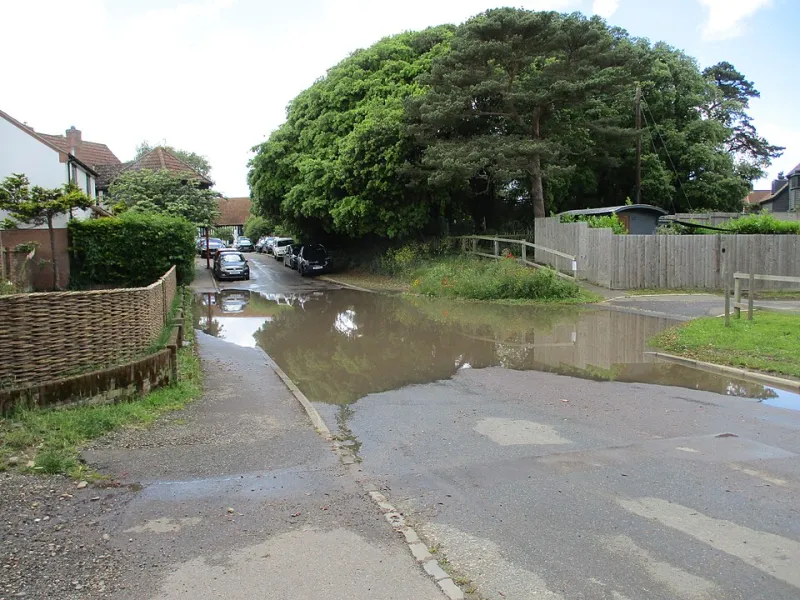
Photo: Martin Dawes , CC BY-SA 2.0, via Wikimedia Commons
Flood recovery is usually described in phases: the event, the claim, the repair. For households, the experience is less orderly. The water goes down, the loss adjuster visits, the drying equipment arrives, the family moves into temporary accommodation and then the waiting begins. In the weeks that follow, the claim may be progressing while the household feels stuck. That gap is where assistance groups can add real value or create repeat frustration.
A post-flood protocol should not attempt to replace the insurer or the loss adjuster. It should sequence the support that sits around the claim: making the home safe, coordinating drying and reinstatement, arranging temporary accommodation, liaising with local authorities and keeping the household informed. The aim is a plan the customer can follow, with suppliers working in the right order rather than at the same time.
The claim is not the recovery
A settled claim is an important milestone, but it does not by itself restore a home. Drying must be completed before reinstatement. Electrical and gas safety checks may need to happen before reoccupation. A loss adjuster's scope may need to be agreed before contractors can be booked. If these steps are not sequenced, households can experience repeated visits, conflicting advice and long periods without a clear next date.
Assistance providers should therefore treat the claim as one workstream among several. The customer needs a single plan that shows what has happened, what happens next and who is responsible. That plan should be shared, with consent, between the group, the insurer, the loss adjuster and the suppliers involved.
Sequence before speed
Speed matters after a flood, but sequence matters more. A common failure is to send contractors before the drying certificate is issued, or to book reinstatement before the loss adjuster has confirmed the scope. Another is to arrange temporary accommodation without checking whether the property is safe to leave or whether the household needs to stay nearby for work, school or care.
A practical protocol sets out the dependencies. Safety inspection comes before reoccupation. Drying comes before reinstatement. Scope agreement comes before contractor booking. Local authority coordination comes before external works that need consent. The customer should be told why each step matters, not simply that it is in hand.
A single view of the household
Flood-affected households are not uniform. Some are owner-occupiers; some rent; some are in social housing. Some have children, pets, disabilities or caring responsibilities. Some have insurance; some do not. The assistance response should record the household's circumstances at the first contact and use that record to shape the plan.
A single view does not mean a single organisation controls everything. It means the customer does not have to repeat their story at every handoff. With consent, a shared case note can record the property type, access needs, temporary accommodation preferences and any vulnerability. The note should be updated after each visit and made available to the suppliers who need it.
Temporary accommodation is an assistance product
For many households, temporary accommodation is the most immediate and least discussed part of recovery. It is not simply a payment. Suitability matters: accessibility, distance from school or work, pet policies, cooking facilities and privacy. A family placed far from local support may struggle even if the accommodation meets a basic standard.
Assistance groups should treat temporary accommodation as a service with its own checks. Is the property suitable for the household's needs? Is the duration realistic? Who pays and how? What happens if the stay needs to be extended? The customer should have a named contact and a clear route to raise concerns.
Local authority coordination
Flood recovery often involves local authorities, environmental health, building control and sometimes flood recovery groups. The assistance provider may not lead that coordination, but it should not ignore it. External works, waste removal and reoccupation may depend on local authority decisions.
A practical approach is to identify the relevant contacts early, agree what information can be shared and keep a record of decisions. The group should avoid promising timescales that depend on third parties it does not control. Where a local authority decision is pending, the customer should be told that clearly and given a date for the next update.
Repeat-visit fatigue
Repeat visits are one of the most corrosive parts of post-flood service. A household may see a loss adjuster, a drying contractor, an electrician, a builder and a cleaner, each asking similar questions and each leaving without a clear summary. The result is fatigue and mistrust.
Providers can reduce this by batching visits where possible, using a named case coordinator and sending a short post-visit summary. Time windows should be realistic. If a visit is cancelled, the customer should be told quickly and given a new date. These are simple disciplines, but they are often the difference between a service that feels coordinated and one that feels chaotic.
Lessons for high-risk areas
In high-risk UK flood areas, the protocol should be tested before the next event. That means pre-agreed supplier capacity, clear escalation routes and a communication plan that works when local infrastructure is under strain. It also means learning from past events without assuming the next one will follow the same pattern.
Assistance groups and insurers should review their post-flood protocols annually with customers, suppliers and local partners. The test is not whether the first response was fast. It is whether the household knew what was happening, who was responsible and when the next step would occur. After the water goes down, that clarity is the service.